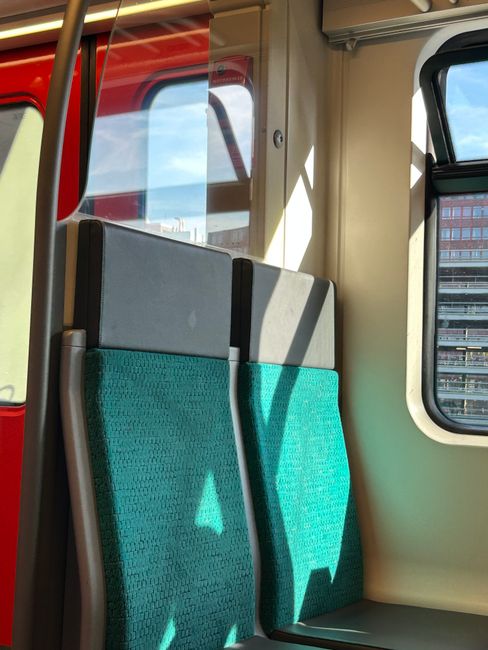
Eden Park station upholstery cleaning guide for commuters

If you commute through Eden Park station, you already know how quickly seats, bags, coats, and coffee cups can turn everyday upholstery into a bit of a mess. This Eden Park station upholstery cleaning guide for commuters is designed to help you understand what really works, what to avoid, and how to keep your upholstery looking and feeling fresher for longer. Whether you are dealing with a grimy car seat after a rainy dash to the platform or a much-loved sofa that has absorbed the week's commute dust, the same practical principles apply. The aim here is simple: give you clear, useful guidance without the fluff.
We will walk through why upholstery cleaning matters for commuters, how the process works, which methods suit different fabrics, and when it makes sense to bring in professional help. You will also find a comparison table, a realistic example, and a checklist you can actually use. Nothing fancy. Just the stuff that helps on a busy weekday evening when you get home, put the kettle on, and notice that stain again.
Why Eden Park station upholstery cleaning guide for commuters Matters
Commuters put upholstery through a lot. Trains, buses, station benches, office chairs, car seats, sofas near the hallway door - all of it takes repeated contact from coats, umbrellas, backpacks, lunch containers, and the occasional takeaway spill. Around Eden Park, that daily movement is part of ordinary life. It is not dramatic. It just adds up.
The first reason this matters is hygiene. Fabric and padding can hold onto dust, skin particles, pollen, food residue, and moisture. That does not mean every mark is dangerous, but it does mean upholstery can start to smell stale or look tired long before it is worn out. If you commute during wet weather, you will also know the joy of damp fabric. Not exactly a highlight of the week.
The second reason is fabric protection. A small stain left untreated can become a set stain, and pressure from repeated sitting can drive dirt deeper into the fibres. When that happens, basic spot cleaning usually stops being enough. A planned cleaning routine is gentler than emergency scrubbing after the fact.
There is also the comfort factor. Clean upholstery simply feels better. A sofa that smells fresh, a car interior that does not look muddy at the door edge, or an office chair that feels properly maintained can make everyday life less irritating. A small thing, maybe. But you notice it.
For commuters, that matters because time is tight. You do not want to waste a Saturday battling a tea stain with a random cleaning spray and crossed fingers. You want a system that works. That is where a practical upholstery cleaning guide earns its keep.
How Eden Park station upholstery cleaning guide for commuters Works
At its core, upholstery cleaning is about removing soil, oils, stains, and odours from fabric or leather without damaging the material underneath. The exact method depends on the upholstery type, the age of the stain, and how much moisture the item can safely handle.
For most commuter-related mess, the process follows a familiar pattern:
- Inspect the fabric. Check the care label, look for colour fading, loose stitching, or special finishes.
- Vacuum properly. Loose grit and dust should come off first. Otherwise, you can end up rubbing dirt deeper into the fibres.
- Test in a hidden spot. Even mild cleaning products can change the colour or texture of some materials.
- Treat stains carefully. Blot, do not scrub. Use the smallest amount of appropriate solution needed.
- Deep clean if needed. Depending on the material, that might mean hot water extraction, low-moisture cleaning, or specialist solvent methods.
- Dry thoroughly. Poor drying is one of the biggest causes of lingering smell and re-soiling.
That may sound straightforward, but the details matter. For example, a commuter-facing fabric on a family sofa may be durable enough for a more thorough wet clean, while a textured chair cover or blended fibre may need a gentler approach. Leather is its own world entirely. It is less about soaking and more about controlled cleaning and conditioning.
In practice, good upholstery cleaning is not about making everything look brand new overnight. It is about restoring freshness, removing what can be removed safely, and preventing further damage. That distinction saves a lot of disappointment. And a lot of over-scrubbing.
Key Benefits and Practical Advantages
For commuters, upholstery cleaning delivers a few benefits that are easy to overlook until they are gone.
- Improved appearance: Seats, sofas, and car interiors look brighter and better cared for.
- Reduced odours: Damp coats, food spills, and traffic grime can create that stale commute smell.
- Longer fabric life: Removing abrasive grit helps upholstery last longer.
- Better comfort: Clean seating feels more pleasant in daily use.
- Less allergen build-up: Regular cleaning can help reduce dust and settled debris, especially in busy homes.
- Fewer permanent stains: Acting early often means a stain can still be lifted.
There is a quieter advantage too: maintenance becomes cheaper and less stressful. A fabric chair that gets cleaned properly every so often is usually easier to care for than one that is left until it looks patchy and smells slightly damp. Truth be told, waiting tends to make everything harder.
If you manage a shared household, or a home where people come and go at all hours, keeping upholstery in decent shape can feel like a losing battle. It is not. It just needs routine, not heroics.
Who This Is For and When It Makes Sense
This guide is useful for anyone whose day involves commuting, regular travel, or frequent movement through public spaces. That includes people who:
- travel to work from Eden Park or nearby areas
- use cars daily and want the interior to stay presentable
- have children or pets bringing mud, crumbs, and fur into seating areas
- rent or own furnished homes with upholstered furniture
- manage small offices, waiting areas, or communal seating
- need help with isolated stains or full refreshes
It makes sense to clean upholstery when you notice one or more of the following: visible staining, dull patches where hands and coats rest, a persistent smell after rainy travel, or fabric that seems to attract dirt faster than it used to. If the item is in daily use, a seasonal refresh is often sensible. If it is a spill-prone family seat or a car used for school runs and commuting, more frequent attention may be worth it.
There is also a timing consideration. If you have just had a spill, act quickly. If the issue is general build-up, you can plan a deeper clean when you have time for drying and ventilation. Late evening clean-ups are fine, but only if you are not expecting the room or car to be used immediately. Moisture needs space to leave.
Step-by-Step Guidance
Here is the practical version. No nonsense.
1. Identify the upholstery type
Before cleaning, work out what you are dealing with. Cotton blends, synthetics, wool mixes, velvet, microfibre, and leather all behave differently. If there is a manufacturer label, follow it. If not, be cautious. Better safe than soaked.
2. Remove dry debris first
Vacuum the item carefully, including creases, seams, button tufts, and the back edge where dust collects. On commuter-facing furniture, that hidden line of grit is usually where the mess lives. It is a bit unglamorous, but important.
3. Treat the stain by type
Different marks need different handling:
- Food and drink: blot, then use a suitable upholstery cleaner or mild solution as appropriate.
- Mud and grit: let it dry before vacuuming, then spot treat.
- Body oils: use a fabric-safe cleaner that can break down greasy residue.
- Odours: identify the source before deodorising, otherwise the smell may come back.
- Ink or dye transfer: these often need specialist stain removal rather than improvised cleaning.
4. Use minimal moisture
Too much water is a common mistake. It can cause tide marks, slow drying, and in some fabrics, distortion. Apply product lightly and work in small sections. If the fabric starts feeling saturated, stop.
5. Blot and lift
Use a clean white cloth or absorbent towel. Press gently. Rotate to a clean area as the cloth picks up residue. Scrubbing may seem more effective, but it often spreads the stain or fuzzes the fabric. Rubbing things into the pile is not the vibe.
6. Rinse carefully if required
Some cleaning products leave residue that attracts dirt. If the product instructions call for rinsing, use a lightly damp cloth rather than pouring water on the area.
7. Dry properly
Open windows if weather allows, use airflow, and avoid sitting on the item too soon. Cushions may need turning. Leather needs a gentler drying approach with no heat blast. Patience here pays off.
8. Review the result and repeat only if needed
One treatment may be enough. If the stain is still visible after drying, a second careful attempt may help. If not, it is usually wiser to stop and seek professional upholstery cleaning rather than make the problem worse.
Expert Tips for Better Results
In our experience, the jobs that go best are the ones where people slow down at the start. That sounds obvious, but you would be surprised how often someone goes straight in with a spray and a cloth. A little structure changes everything.
- Always test first. Even if the product says it is gentle, test it on a hidden patch.
- Act early on fresh spills. A five-minute response is usually better than a fifty-minute scrub.
- Use white cloths. Coloured cloths can transfer dye, especially when damp.
- Control the smell source. Cleaning the surface without tackling the cause is half a job.
- Mind the padding. If liquid soaks through to the cushion filling, drying becomes much more important.
- Rotate cushions regularly. That helps wear distribute more evenly and reduces obvious body impressions.
If you are dealing with deeper fabric contamination, a professional approach may be more effective. Services such as upholstery cleaning and stain removal can be particularly helpful where the mark has set, the fabric is delicate, or the item is used heavily every day.
For household items that also pick up commuter grime at the door or in shared rooms, it can help to think in zones. The arms, headrest area, and front edge of seats usually need attention first. Those are the contact points where oils and dirt build up fastest. Simple. Effective.
Common Mistakes to Avoid
Most upholstery damage comes from trying to fix the problem too aggressively. A few habits are worth avoiding.
- Scrubbing hard: this can damage fibres and spread the stain.
- Using too much liquid: excess moisture can leave marks and cause longer drying times.
- Mixing products: never combine cleaners casually. The result can be unpredictable and unpleasant.
- Ignoring the care label: the label is there for a reason, even if it is annoyingly small.
- Cleaning only the stain: sometimes the surrounding area needs blending to avoid a patchy finish.
- Forgetting ventilation: lack of airflow can leave upholstery smelling damp long after the visible stain is gone.
Another classic mistake is treating every stain the same way. Coffee is not mud. Mud is not body oil. Ink is not either of those. The quicker you identify the type of mark, the better your chances of dealing with it cleanly.
And if a stain gets worse after your first attempt, stop. That is not a failure. That is useful information. It tells you the fabric or mark needs a different method.
Tools, Resources and Recommendations
You do not need a cupboard full of gadgets to maintain upholstery, but a few sensible tools make life easier.
- Vacuum with upholstery attachment: essential for dry debris and regular maintenance.
- Clean white microfibre cloths: useful for blotting, wiping, and controlled product application.
- Soft-bristled brush: helpful on some fabrics, but use lightly.
- Upholstery-safe cleaning solution: choose one matched to your fabric and stain type.
- Fan or open-window airflow: very useful for drying.
- Protective gloves: sensible if you are using stronger cleaning products.
If you are booking professional cleaning, it is worth checking whether the provider explains their methods clearly, handles delicate materials with care, and offers sensible guidance on drying and aftercare. You may also want to review their insurance and safety information, especially for larger jobs or commercial seating.
For broader home maintenance, related services can also matter. If your household has carpets near busy entry points, you might find the approach used in carpet cleaning or steam carpet cleaning relevant because dirt migration often travels from floors to furniture. It all connects, really.
Law, Compliance, Standards, or Best Practice
For domestic upholstery cleaning, there is usually no special legal hurdle beyond ordinary care, product safety, and common sense. Still, best practice matters, especially if you are cleaning in a workplace, rental property, or shared building.
In a UK setting, sensible practice usually means:
- following product instructions and safety guidance
- keeping ventilation adequate during and after cleaning
- avoiding misuse of chemicals on unsuitable fabrics
- taking care around electrical items, sockets, and heat sources
- ensuring cleaning work does not create slip hazards from wet flooring
If the upholstery belongs to a business, there may also be health and safety expectations around safe use of products, storage, and manual handling. For a contractor, it is reassuring when a company publishes clear policies such as health and safety policy information and outlines how it manages customer and staff safety. That may sound formal, but honestly, it matters when equipment, liquids, and furniture are all in the same room.
Environmental practice is another sensible consideration. Some cleaners and clients prefer lower-moisture methods where appropriate, reduced packaging, and responsible waste handling. If that is important to you, it is worth reading a provider's recycling and sustainability commitment. Not every stain has an eco-friendly miracle solution, but better choices are usually possible.
Options, Methods, or Comparison Table
Different upholstery problems call for different methods. Here is a simple comparison to help you choose what feels appropriate.
| Method | Best for | Pros | Watch-outs |
|---|---|---|---|
| Vacuuming and dry brushing | Routine maintenance, dust, crumbs, loose dirt | Fast, low risk, ideal for commuters who just need upkeep | Will not remove deep stains or odours |
| Spot cleaning | Fresh spills, small marks, isolated contamination | Targeted, affordable, easy to do at home | Can leave rings if too wet or poorly blended |
| Low-moisture upholstery cleaning | Delicate fabrics, quicker drying needs | Less saturation, useful for busy homes and offices | May need specialist products or equipment |
| Hot water extraction | Durable fabrics with heavier soiling | Good deep-clean potential and dirt removal | Not ideal for all materials; drying time matters |
| Professional stain treatment | Set stains, dye transfer, odour problems | More controlled and material-aware | Costs more than DIY, but often saves the item |
If you are not sure which method suits your item, that uncertainty is a clue in itself. Delicate fabric, heavy staining, or a valued piece of furniture may deserve a professional assessment rather than guesswork. For home seating in particular, sofa cleaning is often the more sensible route when the whole item needs a refresh rather than a quick patch-up.
Case Study or Real-World Example
Picture a standard weekday situation. You have made the train at Eden Park, it is raining hard, and by the time you get home your coat is damp, your work bag has been put on the living room chair, and a takeaway coffee has left a faint brown mark on the arm of the sofa. Nothing dramatic, just the usual commuter drift into the house.
In that sort of scenario, the best outcome usually comes from doing less, not more. First, remove loose dirt from the seat and surrounding fabric. Next, blot the fresh spill with a clean cloth, then use a small amount of the right cleaner only on the affected area. If the fabric is not meant to be heavily wetted, stop before it becomes saturated. After that, increase airflow and leave it alone.
Where people often go wrong is by trying to finish the job immediately. They scrub the mark, add more water, and then wonder why a pale ring appears by morning. A more careful routine would have saved time. Possibly saved the chair too.
For a deeper or older stain, especially on a fabric that gets regular use from commuting clothes and bags, a full professional clean may be the better call. That is particularly true when the upholstery also collects body oils or odour from repeated contact. If a seat starts to look uneven across the arms and headrest, it is usually a sign that surface cleaning has reached its limit.
Practical Checklist
Use this checklist before you clean.
- Check the fabric care label, if available.
- Vacuum loose dirt, crumbs, and grit first.
- Identify the stain type before choosing a product.
- Test any cleaner on a hidden area.
- Use minimal moisture and work in small sections.
- Blot, do not scrub.
- Allow enough drying time with ventilation.
- Reassess after drying before repeating treatment.
- Escalate to professional cleaning if the stain is spreading, setting, or affecting a delicate material.
- Keep a simple maintenance schedule so the problem does not build up again.
Expert summary: the best upholstery cleaning for commuters is usually the kind that happens early, carefully, and with the right method for the material. Most problems start small. Most success does too.
Conclusion
Upholstery cleaning for commuters is really about staying ahead of everyday life. Wet weather, rushed mornings, packed trains, and quick meals all leave traces behind. The good news is that most upholstery can be kept in decent shape with a clear routine, careful stain treatment, and a sensible eye for when to stop and call in help.
If you keep the process simple - inspect, vacuum, test, blot, dry - you will avoid most of the common mistakes and give your furniture a far better chance of lasting. That applies whether the item is a daily-use sofa, a car seat, or a shared office chair that has seen one too many coffees. Small habits add up. They really do.
If you would like expert help with deeper marks, odours, or fabric that needs more than a quick refresh, exploring professional upholstery care is the next sensible step.
Get a free quote today and see how much you can save.
Frequently Asked Questions
How often should commuters clean upholstery?
For items used daily, light vacuuming every week or two is sensible, with deeper cleaning as needed when stains, odours, or dullness start to show. Heavily used sofas and car seats may need attention more often.
Can I clean upholstery with household products?
Sometimes, but caution is important. Many household products are too harsh, too wet, or too unpredictable for upholstery. Always test first and avoid using anything that is not suitable for the fabric.
What is the safest way to remove a fresh spill?
Blot immediately with a clean white cloth, work from the outside of the stain inward, and use only a small amount of the correct cleaner if needed. Do not scrub. That tends to spread the spill.
Why does upholstery sometimes smell worse after cleaning?
Usually because the material was left damp for too long or the cleaning product was not fully removed. Good airflow and controlled moisture make a big difference here.
Is steam cleaning always the best option?
No. Steam or hot water extraction can be effective on suitable fabrics, but some materials are better cleaned with low-moisture or specialist methods. The care label matters.
How do I know if a stain needs professional treatment?
If the stain is old, has already been scrubbed, affects a delicate fabric, or is linked to odour or dye transfer, professional treatment is often the safer choice.
Can upholstery cleaning remove commuter dirt from train and car use?
Yes, especially when it is regular soil rather than a deeply set stain. Vacuuming, careful spot treatment, and deep cleaning can remove much of the grime that builds up from daily travel.
Does upholstery cleaning help with allergens?
It can help reduce dust and settled debris, although results depend on the material and method used. It is not a medical treatment, just a sensible part of keeping a cleaner environment.
How long does upholstery take to dry after cleaning?
That depends on the method, fabric, ventilation, and how much moisture was used. Light spot cleaning can dry fairly quickly, while deeper wet cleaning may take several hours or longer.
What should I ask before booking a professional clean?
Ask what method they will use, whether it suits your fabric, how long drying may take, and whether they offer guidance for aftercare. It is also sensible to check their service information and safety approach.
Can regular maintenance really prevent stains?
It will not stop every spill, of course, but it can prevent dirt from settling in and make later cleaning much easier. Small, regular care beats emergency rescues most of the time.
Is upholstery cleaning worth it for older furniture?
Very often, yes. If the frame and fabric are still in good condition, cleaning can improve appearance and comfort without replacing the item. Sometimes that makes a surprising difference.
For readers who want broader care for their home fabrics, related services such as rug cleaning, curtain cleaning, and mattress cleaning can support the same fresh, low-stress routine. A tidy home rarely happens all at once. It is built in small, ordinary steps, and that is perfectly fine.